Tuesday, February 24, 2009

I Don’t Have Pain- But I have Constant Numbness and Tingling in my Lower Legs. Can Decompression help?

Short answer: Yes. Possibly. The first step with any case we take on is to do a thorough work up to determine where and what the problem is. This usually includes checking range of motion, and doing orthopedic and neurological test specifically for the lumbar spine. This combined with any x-rays, MRI, and CT reports and learning more about the patients exact symptoms and restrictions in daily activities will help us determine our course of action.

We have been able to help more people than we ever thought we could using the Drx 9000Non surgical Decompression treatment. It has truly been a wonderful addition to our Glastonbury practice. To learn more about non surgical treatments for lower back pain visit www.CTBackDr.com

CT Spine and Disc Center is located in central Connecticut- Specializing in patients who suffer from sciatica, disc degeneration, bulging disc or herniated disc in the lumbar spine. Call us at 860-633-8756 to see if you are a candidate for non surgical spinal decompression

Additional Reading Resources:

Thursday, February 19, 2009

Is spinal decompression only for people in severe pain or can I get treatments for prevention.

Its no secret in my office I do a decompression session with the Drx9000 one time per quarter. I have no back issues but I do it for prevention. It’s a known fact that over tme your discs flatten and lose hydration and your back starts to get degeneration. Doing the decompression helps keep the discs healthy and hydrated preventing arthritis and degeneration.

On top of doing a regular decompression session I of course get adjusted by my chiropractor, Dr. Gill.

So if you are looking to maintain your back or prevent any future back problems call our office at 633-8756. We can tailor a low cost maintenance plan for your spine.


CT Spine and Disc Center is located in central Connecticut- Specializing in patients who suffer from sciatica, disc degeneration, bulging disc or herniated disc in the lumbar spine. Call us at 860-633-8756 to see if you are a candidate for non surgical spinal decompression

Additional Reading Resources:

Sunday, February 15, 2009

I have tried everything for my lower back pain, Surgery is my next step...

We recently recieved this email from a patient who was suffering with lower back pain:

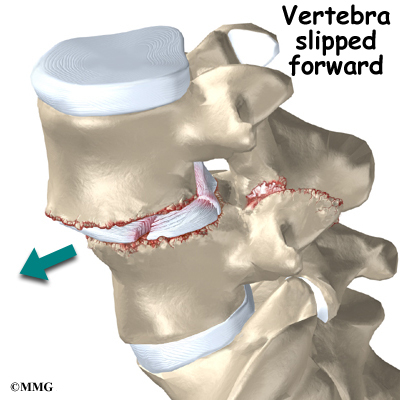
Lumbar Spondylolisthesis: Usually involves slippage of the fifth lumbar vertebra over the top of the sacrum
Dear CT Spine and Disc Center, I have Spinal Stenosis and Spondylolisthesis. I have worked with a Chiropractor, done physical therapy and just had my 2nd epideral steroid injection on Tuesday, next step is surgery. Would this DRX program be able to assist me? - Dorie

Dear Dorie, You may be a candidate. As long as the Spondylolisthesis is stable you should be fine. Typically we determine this with a flexion and an extension x-ray (Basically take a picture of your back, then one with you bent forward and one with you bent back). This will show us if it's stable or unstable. An unstable spondylolisthesis will slide quite a bit upon body movement.

If it is unstable, there is no sense in trying to heal it with decompression because the disc may "slip out" again.

The good news is that most Spondylolisthesis' we see are because of degeneration and are stable. If this is the case the spinal decompression may be able to help.

The best thing to do would be to schedule a consultation with Dr Bellinger. Let us know where you may have had xrays or MRI's so we can request those reports. You can call us at 860-633-8756

CT Spine and Disc Center is located in central Connecticut- Specializing in patients who suffer from sciatica, disc degeneration, bulging disc or herniated disc in the lumbar spine. Call us at 860-633-8756 to see if you are a candidate for non surgical spinal decompression

Image Source: www.eorthopod.com

Additional Reading Resources:

Saturday, February 14, 2009

Chronic Low Back Pain Is On The Rise…What Are Your Treatment Options?

Chronic Lower Back Pain Is on the RiseA new research study by Dr.Timothy Carey, a Professor of Medicine at the University of North Carolina reveals that chronic lower back pain may be increasing. This statistic was found in North Carolina and is being extrapolated for the entire USA.

Dr. Carey’s team discovered that the cost of treating chronic low back pain has not only increased, but that patients are simply seeking more services and treatment. Also they found that the number of people who suffer from long term lower back pain is increasing.

According to the study, 3.9 percent of North Carolina residents surveyed in 1992 said that they had debilitating, chronic back pain. That number rose to 10.2 percent by 2006, the researchers said.

Among people reporting ongoing, serious low back pain in 1992, about 73 percent said they had seen a physician, physical therapist or chiropractor at least once during the past year. In 2006, 84 percent said they had done so. However, the average number of health care visits remained the same, at just 19 a year.

The fraction of people with back pain who had ever had back surgery increased only slightly, from 22.3 percent in 1992 to 24.8 percent in 2006. Although the study’s aim was not to determine the cause of lower back pain, they ascertained that obesity and depression do play a role as well.

They point out that the cost of chronic lower back pain is a loss in productivity among workers, to the tune of $100 billion dollars a year. Dr. Carey states that “In one sense, we're all paying for back pain. It ends up being reflected in our health insurance premiums and our Social Security disability costs”

Also, lower back pain causes impairment. The National Health Interview Survey showed that neck and lower back pain increased from 3.2% in 1997 to 8.8% in 2006.

The findings also raise questions as to the effectiveness of current back pain treatments, Carey said. For example, another recent study he participated in showed that exercise remains underutilized as a means of treating chronic back and neck pain, though numerous studies show it can be effective.

A University of Washington health services researcher, Brook Martin, who specializes in studying spinal services, agrees that a doubling of chronic back pain over 14 years raises serious issues about current treatment approaches. "It makes us have to think about how to approach back pain," Martin said. "Chronic care models and clinical protocols and guidelines are not really the standard in treating back pain. This kind of highlights that this might be a real need."

In the February 2009 Issue of Connecticut Magazine, Margaret Farley Steele discusses the latest treatments for chronic lower back pain.

According the National Institutes of Health, lower back pain is the #1 reason why Americans seek medical attention, followed by headaches as the #2 reason.

In her article Steele talks with many medical professionals about the different treatments available for chronic lower back pain, including:


  • Having a neurostimulator implanted in the abdomen that provides a low wattage electrical stimulation through leads to the lower back area (lumbar spine). Dr.Loyd Saberski, of the Pain Treatment Centers of New Haven explains that the “burden is on the patient” when it comes to finding relief. Dr.Saberski also notes that anemia and depression also need to be treated. He also treats with physical therapy, and nutrition among more common treatments such as pain injections.
  • At the Orthopaedic and Sports Medicene Center in Trumbull CT, Dr. Gerald Girasole offers Physical Therapy and non steroidal anti-inflammatory medication. He states that if patients don’t find relief, they are referred out for a lumbar MRI and surgery is considered
  • Dr. Edward Hargus, a pain management specialist in Norwich states that most patients that experience Low Back Pain will get better in 6-8 weeks. He states that “ I see bigger and bigger back operations and poorer results all the time” He further states that stress can aggravate a chronic pain problem.
  • Dr. Matthew Bellinger, a chiropractor in Glastonbury uses non surgical spinal decompression at the CT Spine and Disc Center. These treatments take 4-6 weeks and help to rehydrate the discs in the lumbar spine.
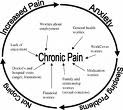
The Chronic Pain Cycle Involves Bouts of Anxiety and DepressionSteele goes on to reveal that with all these different treatment approaches the state of Connecticut received a “B” grade in regards to pain policies set by the University of Wisconsin’s Pain and Policy Studies Group. “The researchers examined how well a state restricted unlawful use of medications while making them available for patients needing them, and they looked for pain-management training guidelines.

With the advent of technology new treatments for lower back pain are coming out everyday. Yes, chronic lower back pain is a real problem, one that we must continue to research everyday.

Sources:


Additional Reading Resources:

Friday, February 13, 2009

Non Surgical Spinal Decompression - How is this different from the Traction I tried?

Non surgical spinal decompression is very different from lumbar traction. In fact, I get asked this question all the time at CT Spine and Disc Center. Traction is basically a stretching of your spine. Decompression creates a vacuum effect in the spine. It has a traction component to it so it stretches your spine slightly opening up the nerve holes but it also suctions the discs back in place. Over a sequence of treatments the disc is then able to stay in place keeping the spinal canal and nerve canals free of interference. In our office we use the Drx9000 and with this protocol a patient wears an upper and a lower harness. This effectively takes the muscles out of the equation, so we can focus on the disc level.

Traction for the Lumbar Spine will stretch the lower back and provide temporary pain reliefYou see, traction will often give some short term relief but soon after treatment gravity takes hold again and the spine squishes back to where it was.

Also, when traction pulls its often a straight linear pull that may cuase the muscles to spasm and prevent the adequate stretch. Whereas, decompression pulls in a cyclical fashion (pull and relax, pull and relax). In addition there is a feedback mechanism which can detect muscle spasm. If there is spasm the machine relaxes the pull; when the muscles relax it can pull again.

The Drx 9000 Non Surgical Spinal Decompression
Because of these features the Drx9000 Spinal Decompression device will pull at much more force then traction but because it keeps the muscles and ligaments relaxed, not only will it feel comfortable it is able to create decompression or in others words suction the disc back into place. To find out if you qualify for spinal decompression call (860) 633-8756.

CT Spine and Disc Center is located in central Connecticut- Specializing in patients who suffer from sciatica, disc degeneration, bulging disc or herniated disc in the lumbar spine. Call us at 860-633-8756 to see if you are a candidate for non surgical spinal decompression

Additional Reading Resources:

Friday, February 6, 2009

Oh, My Aching…Leg?

Eliminate Back And Leg Pain With Spinal Decompression And Advanced Chiropractic Care
Certain low back conditions give rise to more than just low back pain. For example, leg pain can be more intense than low back pain, even though the cause of the leg pain is coming from the low back. When this happens, many patients complain that they have “sciatica,” which refers to radiating pain that starts in the low back and extends down into the leg. When the intensity of leg pain is worse than the low back, it can make patients wonder, “…where is my problem really coming from?”

To understand this better, a short “anatomy lesson” is appropriate. The spine can be divided into two halves, front and back. The structures in the front half include the larger, heavier bones called vertebral bodies and the shock absorbing cushions that lie between the vertebral bodies called the intervertebral disks. The disk is like a jelly donut where the center is liquid-like and the outer portion is a tough, criss-cross pattern cartilage arranged like the rings on a tree stump. There are also ligaments that hold the vertebrae and disks tightly together. The back half of the spine includes the spinal cord, nerve roots, as well as the small joints of the back called facet joints. Every movable joint has a joint capsule that helps lubricate the joint and limits the amount of movement, along with surrounding ligaments. The larger, heavier vertebral bodies and shock absorbing disks carry the majority of the weight (approximately 80%) while the smaller facet joints carry much less weight (only 20%) but are more responsible for guiding the movements of our back.

When leg pain is present, it can be caused by either a pinched nerve, or, an inflamed facet joint.

When a nerve is pinched, the cause is usually from the intervertebral disk where the jelly-like center leaks out and presses on the nerve that goes down the leg, commonly referred to as a “herniated disk with sciatica.” This type of pain is quite specific, easy to describe and often extends below the knee to the ankle or foot. It can include muscle weakness, numbness in certain areas of the leg, and bending forward increases low back and leg pain while bending backwards reduces the leg pain (and sometimes the LBP).

When a facet joint capsule tears (technically, called a “sprain”), the pain is “referred” down the leg in a generalized, non-specific manner, usually described as a “deep ache,” often hard to describe and usually does not go below the level of the knee. Here, it feels better to bend forward and worse to bend backwards, of which neither movement changes or affects the leg in a specific way. Disk related leg pain carries a potential for surgery if all non-surgical approaches fail, while facet joint referred leg pain rarely requires invasive treatments or surgery.

The good news is that both of these sources of low back and leg pain are very treatable with DRX9000 Non-Surgical Spinal Decompression or Chiropractic care! The important point to remember is that obtaining prompt treatment, when symptoms first appear is best – as waiting and hoping it will subside on its own often results in a longer treatment course and is less satisfying for all concerned.

YOU MAYBE A CANDIDATE FOR DRUG FREE RELIEF!

FOR A FREE NO-OBLIGATION CONSULTATION CALL 633-8756.

Saturday, January 17, 2009

Getting Proper Rest...Another Key Element To Staying Healthy And Pain Free!

A few blog posts ago I talked about the 5 things you must do to improve and maintain your health. Here they are again: 1) Eat right 2) Exercise 3) manage their stress level 4) Get proper rest 5) maximize their nervous system potential by getting their spine checked.

Since I got on the subject of sleep in the last post, today I'm going to talk about number four on the list - Get Proper Rest.

Getting a good nights sleep is very important because your body actually does a lot of it’s healing during this time. There are thousands of cellular reactions taking place in your body every second that need to happen. Without rest your body starts breaking down – from the cellular level to the organ level to the tissue level. What this means in plain English is: everything in the body from your insides to your outsides will suffer.

Think about how you function when you need sleep. It becomes tough to concentrate, reflexes are slower, you may irritable. So if you noticeably are not functioning like you should be this will take it’s toll on the body.

Why do many people not get good rest or sleep. Often its their eating habits. It can be work. It can be because of back or neck pain or some other health issue. It could even be environmental factors.

Six to eight hours sleep for the majority seems to be the norm, and if you read the study I mentioned last post, closer to 7 hours is better. Do not eat preferably 3-4 hours before going to bed. I’m a big proponent of water but don’t drink it right before bed or you may find yourself waking up to go to the bathroom more. Try to avoid being on the computer immediately before bed. Also, let your body wind down at least 30 minutes before bed. This means, avoid exercise, working on the computer, and any stressful things right before bed.

Lastly, for optimum sleep, have a room that's very suitable for just that. Have a comfy setting, complete darkness, comfortable temperature, and preferabley no TV running!

And don't forget #5 on the list - Getting Your spine checked. A healthy, aligned spine will enable you to sleep more comfortably, without waking up during the night with back pain, neck pain, or tingling hands and feet, and without feeling stiff and fatigued the next morning.

If you or someone you know isn't getting adequate rest
because of their back or neck problems -
We may be able to help with Chiropractic or Spinal Decompression.
Call our office in Glastonbury as soon as possible at 633-8756.

Monday, January 12, 2009

Getting Your 8 hours of Sleep is the Key to Staying Way from the Common Cold

A recent study showed that the Exposure to rhinovirus is more likely to lead to the development of a cold in people who have less than 7 hours' sleep each night compared to their better-rested counterparts
A new study published in the Archives of Internal Medicine reveals that the Exposure to rhinovirus is more likely to lead to the development of a cold in people who have less than 7 hours' sleep each night compared to their better-rested counterparts.

Sheldon Cohen, Ph.D., of Carnegie Mellon University in Pittsburgh, and colleagues conducted a study of 153 healthy subjects, aged 21 to 55 years, who recorded their sleep habits for 14 days before they were quarantined and exposed to a rhinovirus. They were then observed for signs of a common cold.

Subjects who reported getting less than seven hours of sleep a night had a 2.94 times higher risk of developing a cold after exposure to rhinovirus compared with their counterparts who had at least eight hours' sleep, the investigators found. Those with less than 92 percent sleep efficiency were 5.5 times more likely to develop a cold than those with sleep efficiency of 98 percent or above, the researchers report.

"These relationships could not be explained by differences in pre-challenge virus-specific antibody titers, demographics, season of the year, body mass, socioeconomic status, psychological variables or health practices," the authors concluded. "The percentage of days feeling rested was not associated with colds."

Source Arch Intern Med. 2009;169(1):62-67. Sleep Habits and Susceptibility to the Common Cold- Sheldon Cohen, PhD; William J. Doyle, PhD; Cuneyt M. Alper, MD; Denise Janicki-Deverts, PhD; Ronald B. Turner, MD

As we weather the upcoming winter storms, we have to make sure to take care of bodies during this cold season. Exercising, getting enough sleep, and getting our spines adjusted is important in making sure that we are functioning at our optimal level. Visit CT Spine and Disc Center LLC in Glastonbury CT to get your spine checked.

Saturday, January 3, 2009

Low Back Pain And Its Many Causes!!!

Low back pain (LBP) is one of the most common complaints presenting to our Glastonbury office and remains one of the most challenging conditions to manage because there are so many causes of LBP. Some of the causes include the obvious such as over lifting, over use activities such as sports injuries (bowling, golfing, skiing, tennis, football, etc.), raking leaves, shoveling snow, and more. Frequently, work related strains are the primary cause of LBP due to the constant, persistent and awkward positions frequently required in many jobs, especially in repetitive motion assembly line work.

The cause can also be as simple as standing on 2 feet versus 4 feet. Studies show when 2 legged and 4 legged animals are compared, arthritis starts in the 3rd vs. the 6th decade of life, respectively due to the vertical load placed on the biped or 2-legged animal. In spite of this, after sharing this information with patients, I have not been successful in convincing them to start walking on all fours! Because we are a 2-legged species, addressing a short leg can have significant benefits to any spinal condition. This is because a short leg of only 5mm (1/4 inch) can result in a drop in the pelvis resulting in crooked foundation that the spine sits on, creating a curvature in the spine. This places stress on the spinal components including the spinal cord and nerves and can contribute or be the actual cause of not only Lpw Back Pain, but also problems higher in the spine including neck pain and headaches!

Many times, a satisfying outcome is not achieved until I address the leg length issue by the use of heel or a combination of heel and sole lifts. If a leg is short, the effects at the top – that is, the neck and head, are dramatically affected. In one case, treatment to the neck and head had little effect on his headaches and only after placing a heel lift in one shoe and arch support in both shoes did he feel significantly improved.The Doctors At CT Spine and Disc Cemter Specialize In Low Back Pain

In most cases, treatment addressing the entire body from the feet up yields the most satisfying results. Also, secondary issues such as diet, stress management, home treatments including exercises, can be very important in the successful management of back pain. In many patients, a combination of chiropractic, leg length correction, and nutritional management including the use of vitamin and herbs resulted in the best approach results.

Usually, offering the patient advice on the methods of applying ice, modifying/reducing bending/ lifting activities, as well as performing the chiropractic treatment will satisfy the majority of patients. However, in some cases, co-management with other allied health care providers is necessary, especially where there is a slow response in the initial acute stage of LBP. If these less common cases should occur, the combination of chiropractic and primary care yields the best results.

In our Central CT Clinic, we offer a multidimensional, holistic approach to the treatment of low back pain so that a positive, satisfying outcome is achieved. We also incorporate the latest, most up to date treatment methods such as Non-Surgical Spinal Decompression.

YOU MAYBE A CANDIDATE FOR DRUG FREE RELIEF!
FOR A FREE NO-OBLIGATION CONSULTATION CALL 633-8756

Thursday, January 1, 2009

Heat vs Ice for Lower Back Pain Relief?

Hello everyone, Happy New Year 2009; Wishing everyone a wonderful healthy new year ahead !

Today I want to discuss one techinque for lower back pain relief that I often get asked about. Heat or ice for Lower Back Pain?

The good news is that they both can be good and they are all natural. So no side effects like medication.

To get the best results use ice when there is inflammation. This is often hot, red and feels tender. Areas are usually inflammed when they are initially injured or re-aggravated.

Heat works very well to loosen an area. So, couple of days after the initial injury when inflammation has disippated from using ice, use heat. For the ara to heal completely it may take weeks. With the use of heat to now keep the muscles loose and increase blood flow you can often get better much sooner.

Ice is often used after a football injuryHere's an example: If you watch football, you'll notice before the game most players are wearing extra clothing like sweats or sports pants and jackets. This keeps their backs, legs, and arms heated and warm. After the game often they're sore especially if they injured an area they'll have ice packs on thier back or knee, etc..This is because the area is often strained and inflammed.

The same holds true for someone with a back injury. Use ice to decrease the inflammation and back pain. If you continue to work or do physical activity you can heat your back to loosen the muscles before you begin your activity. The ice and hot packs we recommend patients are often shaped specially for certain parts of the back.


Here is a Hot and Cold Pack for the Lower Back- 10
For example, if you are icing or heating your lower back, use a larger ice pack that is 10"x13", square in shape. For your neck area, use a 6" x 20" ice pack that is shaped with a special pouch area to cover your neck area. There is also a special ice pack for your neck and upper back, with dimensions of 9" x 16" trisectional ice/heat pack- it had two side flaps for your shoulders to better coverage. Just keep in mind tha this ice pack will be a little heavier than the cervical or lumbar ice pack.

To get rid of your low back pain once and for all look into this advanced new technology we use at our office called Spinal Decompression.

Dr. Matt Bellinger
CT Spine and Disc Center LLC

Photo Credits: Flickr Monstershaq2000

Addtional Resources:
Hot and Cold Therapy for Lower Back Pain Relief- Ice/Heat Packs for Pain Relief

LinkWithin

Blog Widget by LinkWithin